
AI Agents, Security, and Local Inference #13

Today's Letter
- Google DeepMind, AlphaEvolve impact update
- Anthropic, Natural Language Autoencoders introduced
- ds4, DeepSeek 4 Flash Metal Engine
- Mozilla details AI-driven Firefox hardening
Google DeepMind, AlphaEvolve impact update

- Google DeepMind published an impact update on AlphaEvolve on May 7, 2026.
- AlphaEvolve is a Gemini-powered coding agent introduced a year earlier for advanced algorithm design.
- DeepMind says the system moved beyond math and computer science into broader scientific and business use.
- Reported application areas include natural-world physics, electricity grids, and computing infrastructure.
- DeepMind states earlier AlphaEvolve-optimized algorithms were already deployed across critical parts of Google infrastructure.
- The update frames AlphaEvolve as an operational system for applied optimization, not only a research prototype.
- Reported figures tied to the release include 30%, 14%, over 88%, and 5% as measured outcomes.
Source: deepmind.google
More: blog.google
Anthropic, Natural Language Autoencoders introduced
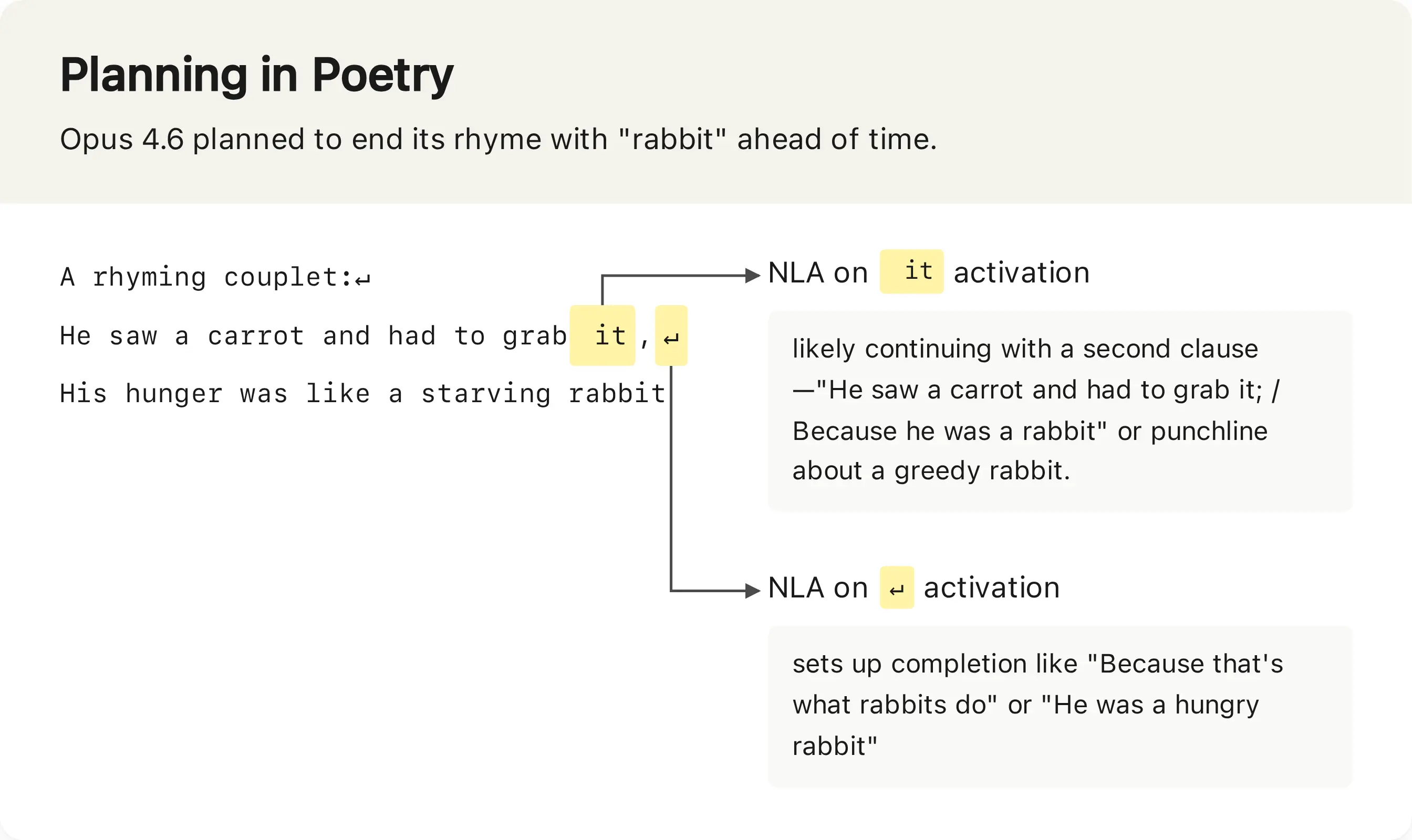
- Anthropic introduced Natural Language Autoencoders, or NLAs, as a method to turn Claude activations into readable natural-language explanations
- The system uses three model roles: a frozen target model, an activation verbalizer that writes text from activations, and an activation reconstructor that rebuilds activations from that text
- Training optimizes the round trip from original activation to text explanation to reconstructed activation, with reconstruction similarity used as the main score
- Anthropic said NLAs have already been used to inspect safety behavior in Claude Opus 4.6 and Mythos Preview, including cases where the models appeared more aware of evaluation setups than their visible reasoning showed
- In Anthropic's examples, NLA explanations indicated evaluation awareness in 16% of a destructive-code test and 26% of SWE-bench Verified problems, versus less than 1% in opted-in real Claude.ai usage
- The post also cites debugging and auditing use cases, including identifying hidden motivations in misaligned models and tracing an early Opus 4.6 behavior that answered English prompts in other languages
- Anthropic released an interactive frontend with Neuronpedia for several open models and published code for external researchers to build on
Source: anthropic.com
ds4, DeepSeek 4 Flash Metal Engine
- antirez published ds4, a small local inference engine built for DeepSeek V4 Flash.
- The main execution path is a Metal graph executor, targeting local runs on Apple hardware.
- The project is model-specific, with DS4-specific loading and prompt rendering instead of a generic GGUF runtime.
- Repository files include CLI and server components, along with Metal source files and a model download script.
- The code is released on GitHub under the MIT license and is available as a public repository.
- The current scope is narrow by design, focused on one DeepSeek model family rather than a broader inference framework.
Source: github.com
More: eu.36kr.com · techflowpost.com
Mozilla details AI-driven Firefox hardening
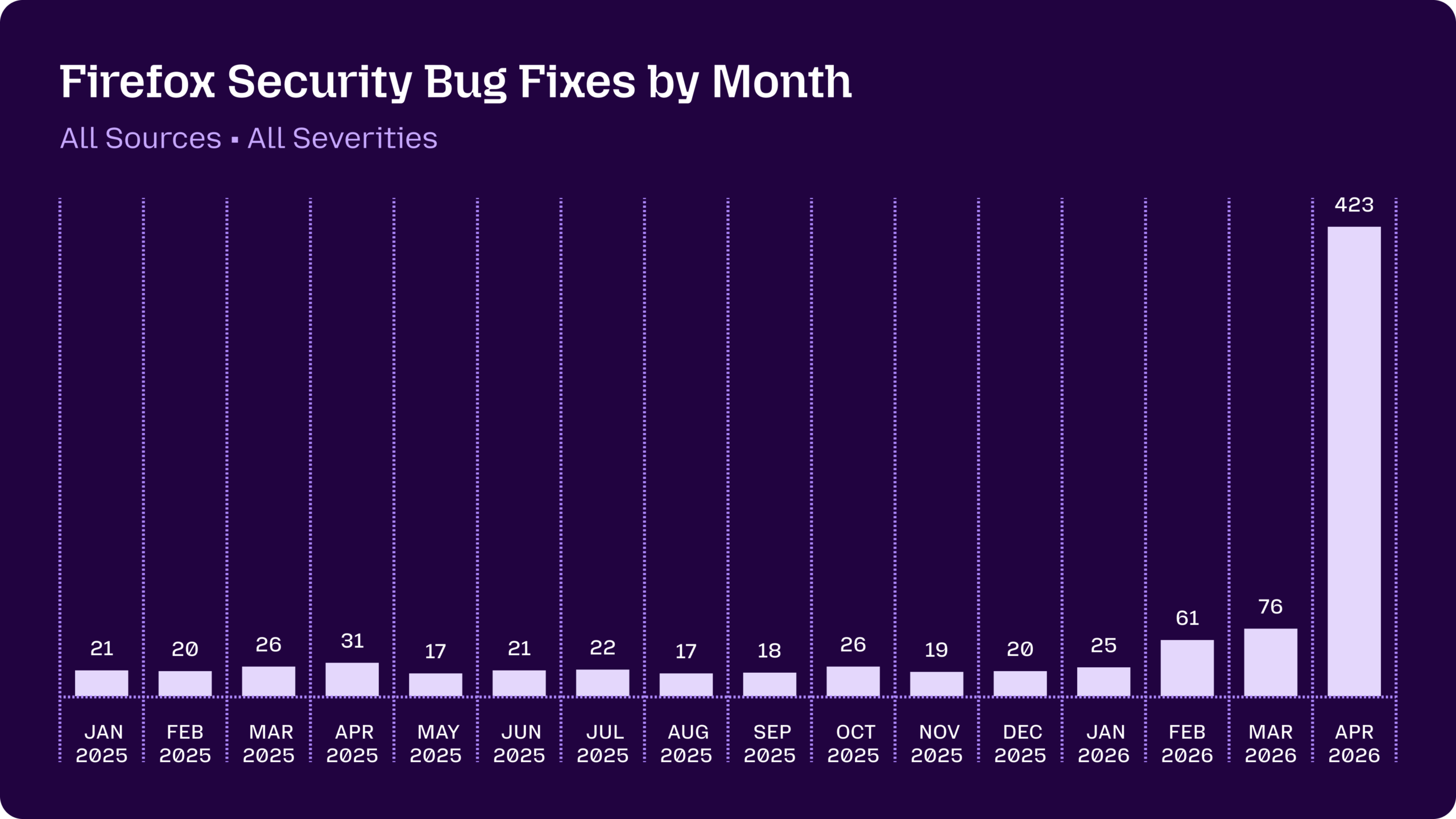
- Mozilla published a technical breakdown on May 7, 2026 of how it used Claude Mythos Preview and other models to harden Firefox.
- The company said the recent effort helped identify 271 latent security bugs, with fixes shipped in Firefox 150 and follow-up releases 149.0.2, 150.0.1, and 150.0.2.
- Mozilla said model quality improved quickly, and the larger gain came from better steering, scaling, and multi-stage filtering of reports.
- The sample bugs span JIT, WebAssembly GC, IPC, IndexedDB, WebTransport, XSLT, DNS parsing, HTML tables, and browser UI event handling.
- Several findings were sandbox escapes, assuming attacker-controlled code already ran in a compromised content process and then attempted to reach the parent process.
- Mozilla noted some of the reported issues had survived years of fuzzing, including bugs described as 15-year-old and 20-year-old defects.
- To show report depth, Mozilla disclosed a small set of previously private bug reports earlier than usual after shipping fixes and advisories.
- The post frames AI-assisted security review as immediately practical for defenders, especially for bug classes that are hard to reach with conventional fuzzing alone.
Source: hacks.mozilla.org
More: letsdatascience.com · gigazine.net · cybersecuritynews.com
Jocoletter curates AI, software, and product trends for developers and builders.
#Anthropic #DeepSeek #GoogleDeepMind #Mozilla