
Security stacks and AI dev tool shifts #57
Today's Letter
- OpenAI, Daybreak security stack and GPT-5.5-Cyber update
- GitHub, Claude preview in JetBrains IDEs
- Vercel adds Claude Design deploy target
- Cloudflare details hyper HTTP truncation bug
OpenAI, Daybreak security stack and GPT-5.5-Cyber update
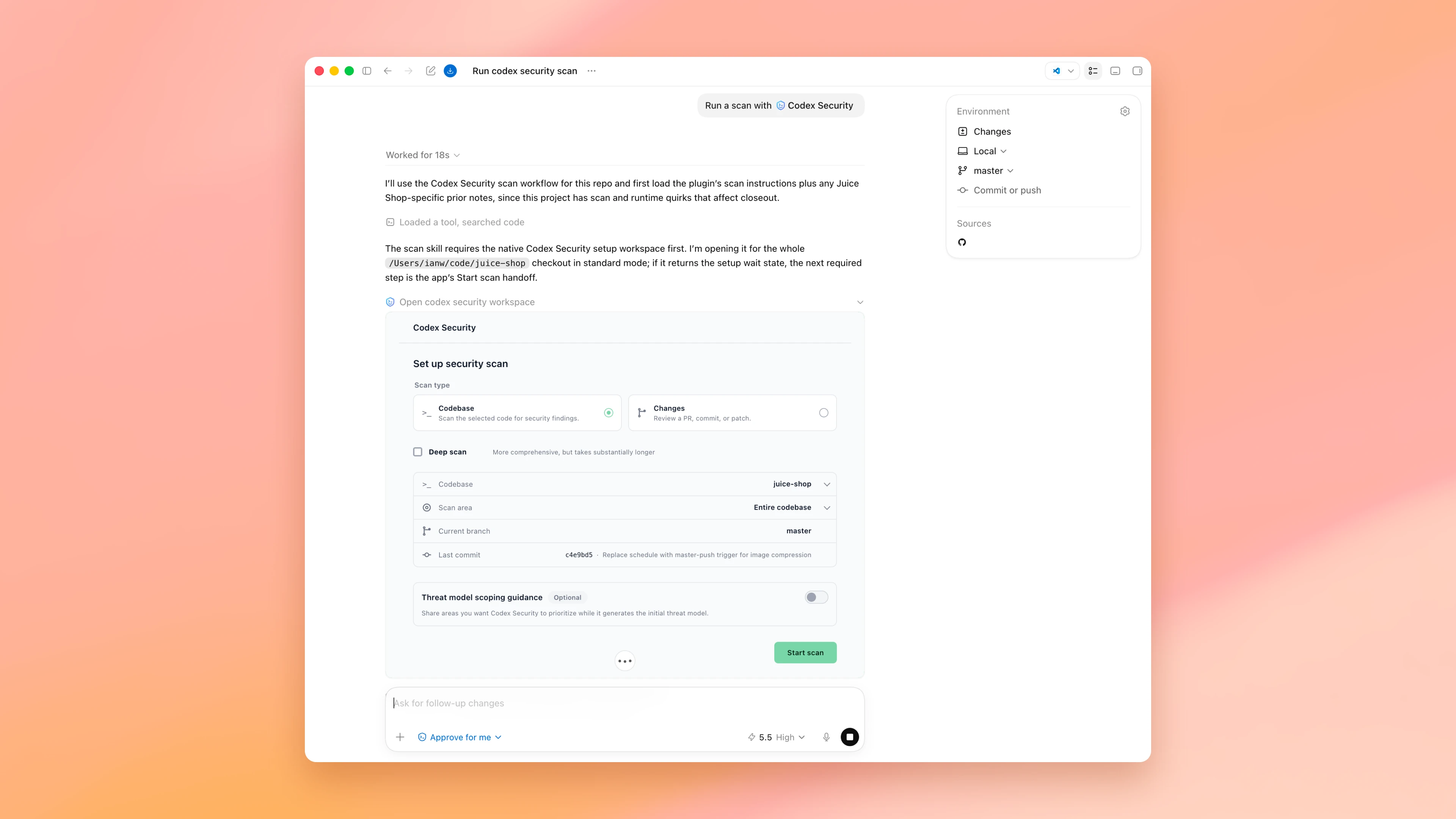
- OpenAI announced Daybreak, a security initiative focused on moving from vulnerability discovery to automated patching.
- The updated Codex Security plugin is positioned to accelerate finding, testing, and landing fixes in existing codebases.
- Since the March research preview, Codex Security cloud has scanned over 30 million commits across more than 30,000 codebases.
- Human reviewers marked more than 70,000 findings as fixed, and over 500,000 findings were automatically determined to be fixed.
- OpenAI also released the full GPT-5.5-Cyber model to trusted defenders through its continued limited release program.
- On CyberGym, GPT-5.5-Cyber reached 85.6%, compared with 81.8% for GPT-5.5.
- OpenAI introduced the Daybreak Cyber Partner Program to extend trusted access through security vendors and service partners.
- The Patch the Planet initiative, launched with Trail of Bits and others, starts with more than 30 open-source projects including cURL, Go, Python, Sigstore, and pyca/cryptography.
Source: openai.com
GitHub, Claude preview in JetBrains IDEs
- GitHub added Claude as an agent provider in public preview for GitHub Copilot in JetBrains IDEs on 2026-06-22.
- The update also adds GitHub organization and enterprise agents, letting admins publish shared agent configurations to eligible users.
- JetBrains users can select those agents from the Copilot Chat agent picker and run tasks with admin-defined settings.
- Claude setup requires the Claude Code CLI installed locally and its path configured in Settings > Tools > GitHub Copilot > Chat.
- The Claude agent currently runs in bypass permissions mode, so file edits and tool calls are auto-approved.
- GitHub said configurable permissions for the Claude agent are planned for a future release.
- Copilot CLI sessions now support sending follow-up messages during active requests through queue, redirect, or stop-and-send actions.
- The release also adds an agent debug logs summary view, model picker updates, a larger context window option, and a per-turn AI credits indicator.
- Cloud agent is now generally available in JetBrains IDEs.
Source: github.blog
Vercel adds Claude Design deploy target

- Vercel is now available as a send-to destination inside Claude Design.
- A finished design can be sent to Vercel and returned as a live URL without leaving the design canvas.
- Claude Design deploys the result as a new project in the user's connected Vercel account.
- Setup starts from the Share menu, where users add Vercel as a destination.
- The workflow requires connecting the Vercel MCP server before deployment.
- Vercel published the update in its changelog on June 23, 2026.
- The change shortens the path from design handoff to a shareable deployed preview.
Source: vercel.com
Cloudflare details hyper HTTP truncation bug
- Cloudflare published a postmortem on a race condition in the Rust hyper HTTP library that intermittently truncated image responses while still returning HTTP 200
- The issue surfaced after the Images binding was rearchitected at the end of 2025 to use a local intermediary and Unix sockets instead of routing through FL
- Affected requests were more common with larger images, where a response expected to be several megabytes could arrive with only a few hundred kilobytes
- In one reproduced case, the outer pipeline received a 3.3 MB Content-Length but only about 200 KB of body data before hitting end-of-file
- Cloudflare said the bug appeared in nested image-processing flows, including a customer setup that composited large R2 images and then applied further delivery transforms
- The team spent six weeks isolating the failure path across Workers, the intermediary, the Images service, and hyper before narrowing it to a race condition in response flushing
- According to the post, hyper treated encoding as complete once it buffered the full response, but under specific timing the socket could be shut down before all buffered bytes reached the reader
- Cloudflare said the final fix was four lines of code and used the incident to explain the operational tradeoffs of moving internal service paths closer to the machine boundary
Source: blog.cloudflare.com
Jocoletter curates AI, software, and product trends for developers and builders.
#Cloudflare #GitHub #OpenAI #Vercel